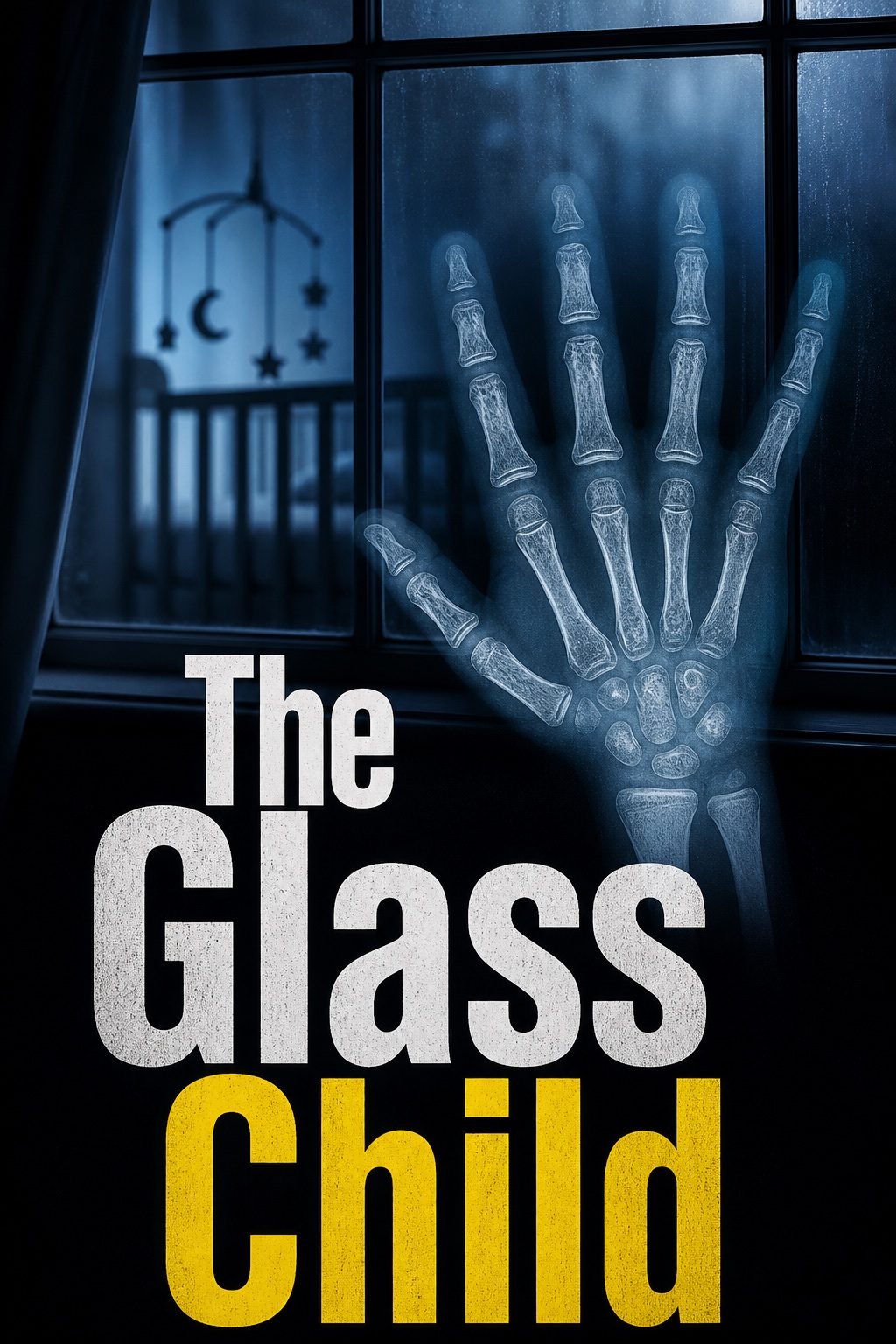
The Glass Child
- Thriller
- Mystery Romance
- Protector Romance
- Hidden Past Romance
- medical mystery
- institutional secrecy
- unreliable truth
- body-as-evidence
- urgent investigation
No signup, no paywall · the full story continues in the app
The story
A boy arrives with bones that look decades older than his body—and as Dr. Anya Sol stabilizes him, he whispers her dead daughter’s name like it’s a warning. Protective, reluctant partnership under threat: Dr. Anya Sol and Detective/medical-ethics ally are forced into close cooperation while each suspects the other might be withholding something. A high-stakes investigation where the body becomes evidence, truth fights the institution, and love/commitment grows while danger tightens—without comfort, only urgency and moral clarity.
Chapter 1 · The Bones Don’t Match · 7 min read
The Children’s ER smelled like bleach and panic. Anya Sol had just pulled on her gloves when the triage nurse pointed at the hallway instead of the usual paperwork cart. “Peds trauma bay. Boy. No family with him. Transport says he’s stable, but look at his hands.”
Milo Glass was small for ten, pale under the lights, and too still when they eased him onto the gurney. His joints looked tight, like someone had forced them into an older shape. There were bruises on his forearms that didn’t match the story on the intake form. Anya scanned his face for pain, but his eyes stayed awake in a careful way.
A paramedic shoved the folder toward her. “Age on the papers is ten. But the scan report from the truck—” He stopped, as if the words might break something. Anya took the folder without looking at the cover, because she needed her hands to stay busy.
She checked his airway, listened to his chest, and asked him his name. “Milo,” he said, soft and quick. “Glass.” His voice didn’t shake. His fingers, though, kept curling and un-curling around the blanket, as if he was holding onto something that wasn’t there.
Anya lifted his wrist for a basic pulse check and felt the wrong resistance in the bones under the skin. It wasn’t a tumor. It wasn’t a simple growth problem. It was the feel of time stacked in the wrong order. “Pain level?” she asked.
Milo blinked once. “Not… like it was.” He swallowed. “They said it would stop.”
The triage nurse returned with a tablet and the intake summary. “Routine genetic workup,” she read aloud, like she was trying to make the words safer. “No consent issues, Dr. Sol. It’s all pre-stamped.”
Anya’s stomach tightened. Pre-stamped meant someone else had decided what she was allowed to do before she even touched the patient. She opened the folder on the gurney edge and found a report page already clipped to the top. In the margin, a chart label sat in a code box.
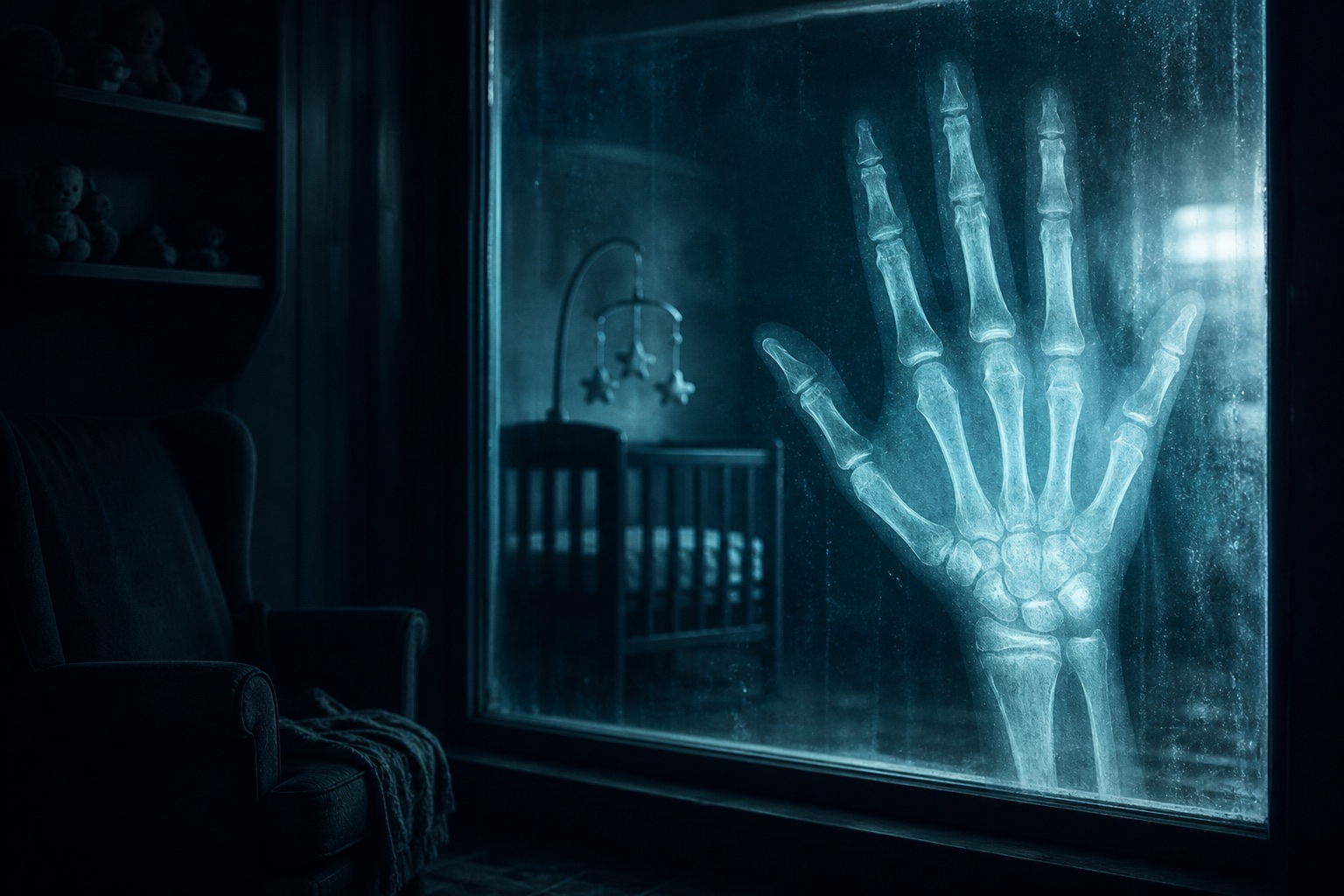
The report said Milo’s physical age was ten. Then it listed imaging results in a way that made Anya feel cold, like her scrubs had been swapped for someone else’s. “Bone age: advanced by decades.”
She looked up from the page. Milo was watching her, not her eyes exactly, but her hands. “Advanced,” she repeated, quietly, to test the word against his face. “How do you feel, Milo?”
His lips parted, then closed. He tried to speak and failed, like the sedative was already halfway in him. “I know a name,” he whispered. “Noa.”
Anya froze with the folder still open. The name hit her like a door slamming in a dark hallway. She forced her voice steady. “Noa Sol?”
Milo’s eyes went wider. “Noa Sol,” he said again, then frowned as if he couldn’t hold onto the meaning. “She… can’t—” His breathing turned shallow. The monitor beeped a little faster.
Anya nodded to the nurse. “Sedate him for imaging. Light sedation. But keep him talking if he can.” She said it like a normal order. Inside, her moral dread spread. This was not a normal case. Someone wanted it covered fast.
Outside the treatment room, the air changed. The disinfectant smell was stronger near the records desk than near the ward, sharp and fresh, like someone had scrubbed a path and hoped no one would notice the direction. Anya scrubbed her hands anyway, because she had to believe in clean steps.
A detective stood by the wall, watching the door as if it might open into a lie. Detective Jace Rourke’s badge caught the light when he moved. He didn’t reach for his phone. He reached for the file in Anya’s nurse’s hand.
“Dr. Sol,” he said, low. “I’m sorry to interrupt. I heard you got a case that’s already stamped routine.” His eyes stayed on the folder, not on her. “Routine is what people say when they don’t want questions.”
Anya didn’t offer her hand. “I’m the pediatric surgeon. I run medicine, not slogans.” She kept her voice clipped. “What do you want?”
Jace shifted closer, but not to touch her. “I want to know why the transport report says ‘age mismatch’ and your file says ‘no cause found.’ Those should not sit together.”
Anya glanced past him toward the hallway where staff moved with fast, quiet steps. “He’s sedated for imaging,” she said. “If he whispers again, you’ll hear it like everyone else.”
Jace’s mouth tightened. “I’m not here for drama. I’m here because people told me this was already handled.” He lowered his voice. “Handled by who?”
Anya felt the dread under her ribs turn into anger, clean and sharp. “I don’t know,” she said. Then, because she couldn’t stop herself, she added, “But the chart label uses coded boxes. ‘GLASS’ is on it.”
Jace looked at her like she had just handed him a key. “Then someone planned this.” He leaned toward the records desk. “Who has access to that?”
Anya followed his gaze. A clerk turned a page, face blank. A nurse disinfected the counter a second time. The smell was strongest near the desk, stronger than near the ward, and Anya couldn’t stop noticing patterns when she was scared.
“I’ll handle the medical part,” she said. “You handle the rest. But don’t label my patient ‘routine’ again.”
Jace’s eyes met hers. “Deal,” he said. “But I don’t trust the stamp.”
Back in the treatment room, Milo’s body looked smaller under the blanket, like the hospital lights were shrinking him. The nurse adjusted his IV line. Anya watched his hands. He kept trying to move his fingers, slow and careful, as if he was searching for a hidden latch.
“Milo,” Anya said, crouching by the bed so he could hear her over the machines. “Stay with me. Tell me what you remember.”
His eyelids fluttered. The sedation made his mouth slack for a moment, then his lips tightened again as if the name had pulled him upright from inside. “Noa,” he whispered.
Anya leaned closer. “Noa Sol?”
Milo’s breath hitched. “She… said glass,” he murmured, like the word was a password. Then his eyes rolled toward the ceiling, not looking at anything real. “Not… safe… outside.”
Anya felt her throat close. Noa Sol was her daughter’s name. Her daughter was dead. She had not spoken the name out loud in months. Hearing it from a ten-year-old boy who should not know it was not a coincidence. It was a trigger.
The nurse signaled that transport to imaging was ready. Anya took a final look at Milo’s chart before they wheeled him. The official explanation on the top page was confident: “Routine bone maturation anomaly.” Below it, someone had already listed a next step: “Immediate transfer for continuity of imaging.”
Jace came in behind her, quiet. “I’ll stay close,” he said. “You don’t have to do this alone.”
Anya didn’t thank him. She needed her mind on the contradiction. The file said routine. The bones felt old. Milo’s whisper said her daughter’s name like a warning. “I’m doing my own read of the imaging,” she said. “Not trusting their summary.”
Jace nodded once. “Then we fight for the scans when they try to move him.”
They rolled Milo toward imaging. As the doors opened, Anya caught the disinfectant smell again, stronger than before, coming from the direction of the records desk. She looked at the code box label on the folder in the nurse’s hand and saw the word ‘GLASS’ in the corner, clean and printed like it belonged there.
Milo’s eyelids fluttered one last time. “Noa,” he whispered again, then his voice broke into something smaller. “Glass… window.”
Anya stood up straighter, heart hammering. “What window?” she demanded, but sedation swallowed the rest. The nurse pushed the gurney forward.